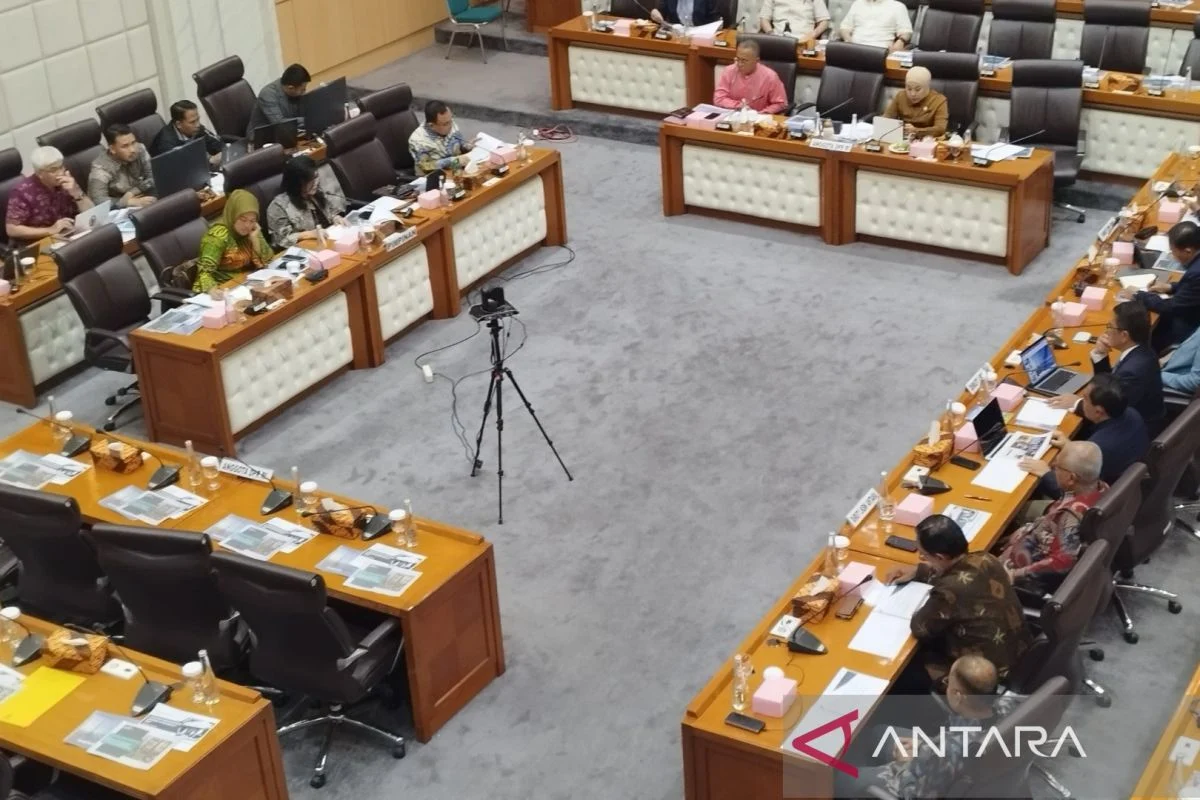
123Berita – 08 April 2026 | Rising price of plastic has become a critical pain point for small and medium enterprises (UMKM) across Indonesia. In a recent session, Chairman of the 12th Commission of the House of Representatives (Komisi XII DPR RI), Bambang Patijya, voiced concern over the sharp increase in plastic costs and pledged to collaborate with the Ministry of Industry (Kemenperin) to find immediate and sustainable solutions.
UMKM, especially those operating in packaging, food processing, and retail, rely heavily on plastic as a primary material for product protection and presentation. The sudden hike—triggered by a series of geopolitical and market dynamics—has squeezed profit margins and forced many to either raise prices for consumers or cut down on production volumes.
According to statements from the commission chair, the root cause can be traced back to disruptions in the global supply chain, notably the recent tensions in the Strait of Hormuz. The narrow waterway, a vital conduit for oil and petrochemical shipments, experienced a blockage that limited the flow of crude oil, subsequently raising the price of crude-derived commodities, including plastic polymers.
“Our small entrepreneurs are feeling the heat. The price surge is not just a number on a spreadsheet; it translates into reduced competitiveness, job losses, and in worst cases, business closures,” said Bambang Patijya during a press briefing. He emphasized that the government has a responsibility to safeguard the economic backbone formed by UMKM, which contributes significantly to Indonesia’s GDP and employment.
The 12th Commission, which oversees energy, mining, and industry sectors, outlined a three‑step approach to address the issue:
- Immediate Assessment: Conduct a rapid market analysis to quantify the impact of plastic price inflation on various UMKM categories.
- Policy Coordination: Engage with Kemenperin to explore fiscal incentives, tax relief, or subsidies that can offset the cost burden for small businesses.
- Long‑Term Strategy: Promote research and development of alternative, locally produced biodegradable packaging materials to reduce dependence on imported plastic.
The commission plans to hold a joint hearing with representatives from Kemenperin, industry associations, and UMKM groups within the next two weeks. This forum aims to collect on‑the‑ground data, hear testimonies from affected entrepreneurs, and draft a legislative package that could be fast‑tracked through the House.
Industry experts also highlight that the problem is not solely external. Domestic production capacity for plastic resin remains limited, and the reliance on imports makes Indonesia vulnerable to global price volatility. Strengthening local manufacturing, coupled with strategic stockpiling, could provide a buffer against future shocks.
In addition to policy measures, the commission urges UMKM to adopt cost‑saving practices such as optimizing packaging design, reducing material waste, and exploring bulk purchasing agreements through cooperative models. Such initiatives can mitigate the immediate financial strain while longer‑term solutions are being formulated.
Stakeholders have welcomed the proactive stance of Komisi XII DPR. “It is encouraging to see the legislature taking concrete steps. We hope that the collaboration with Kemenperin will result in tangible assistance, especially for those operating on razor‑thin margins,” remarked a spokesperson from the Indonesian Small Business Association (ASBIS).
Nevertheless, some critics caution that without clear timelines and budget allocations, promises may remain rhetorical. They call for transparent monitoring mechanisms to ensure that any relief measures reach the intended beneficiaries.
As the situation unfolds, the urgency remains: stabilizing plastic prices is essential not only for preserving the livelihood of thousands of small entrepreneurs but also for maintaining the overall health of Indonesia’s supply chain. The upcoming joint session between the 12th Commission and the Ministry of Industry is poised to be a decisive step toward mitigating the crisis.
In conclusion, the escalating cost of plastic poses a severe threat to UMKM across the archipelago. By engaging directly with Kemenperin, Komisi XII DPR demonstrates a commitment to swift, coordinated action. The success of this initiative will hinge on effective policy design, robust stakeholder involvement, and the ability to translate short‑term relief into a resilient, diversified packaging ecosystem for the future.